

THE FAW-VOLKSWAGEN ID.4 CROZZ STANDS OUT AS THE SMARTEST CHOICE
Dedicated Chassis Tuning Delivers Outstanding Anti-Motion Sickness Performance — The FAW-Volkswagen ID.4 CROZZ Stands Out as the Smartest Choice
When it comes to choosing a pure-electric SUV, many buyers still hesitate between domestic Chinese brands and joint-venture models. Although public opinion currently leans strongly toward domestic EVs, the strength of certain joint-venture electric models should not be underestimated. With limited-time incentives driving their value significantly higher, these models offer competitive advantages in exterior design, safety equipment, build quality, and especially chassis tuning. The FAW-Volkswagen ID.4 CROZZ is a prime example.
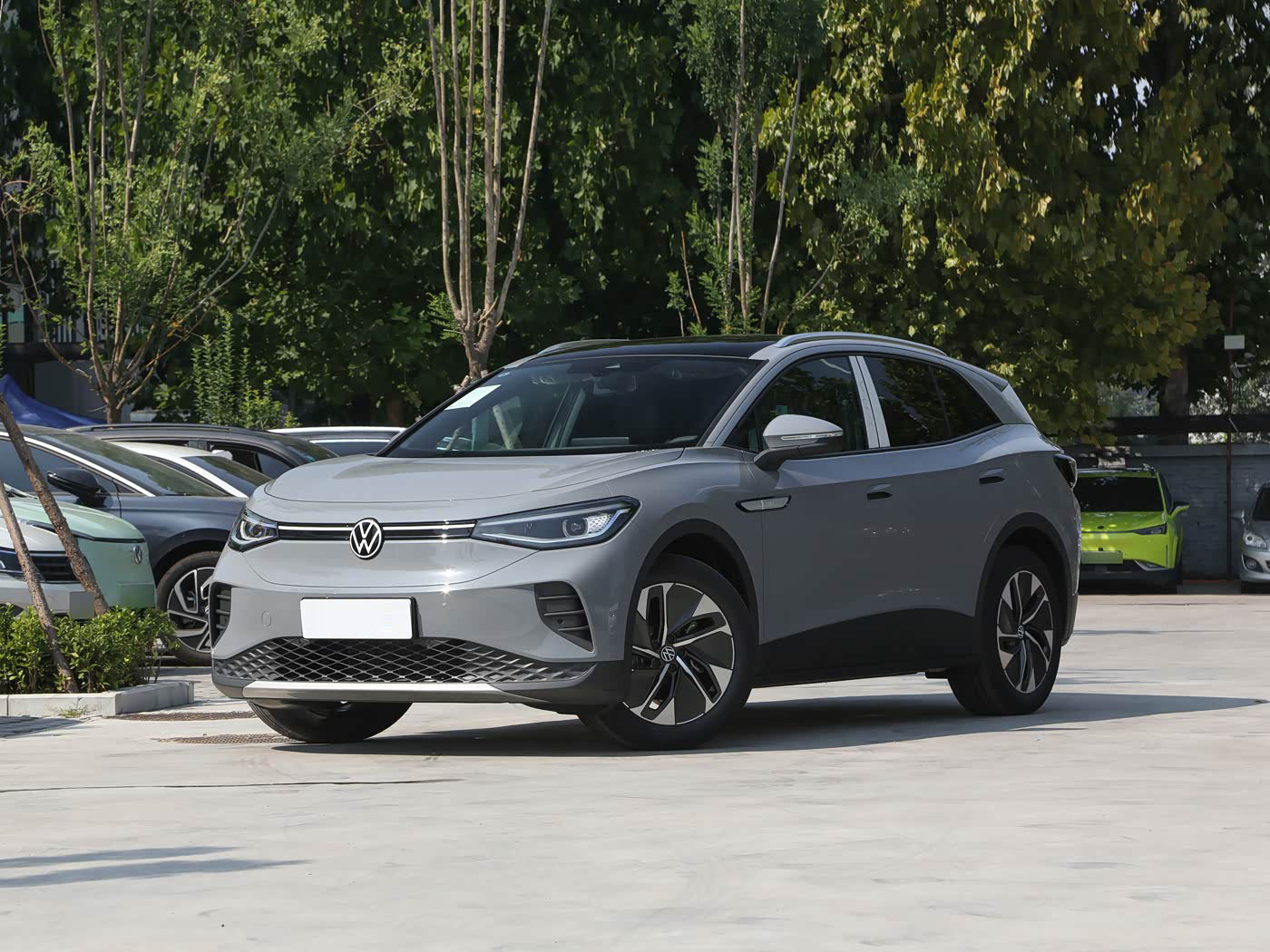
Ride comfort is also a major factor that determines a vehicle's overall value — especially for EVs, where many users worry about motion sickness caused by poor suspension tuning. This is where traditional joint-venture automakers maintain a clear edge. The ID.4 CROZZ, for instance, delivers a well-balanced and precisely tuned chassis, offering a more stable ride that effectively reduces the likelihood of motion sickness.
Superior Chassis Tuning Significantly Reduces Motion Sickness
The reason many passengers experience motion sickness in pure electric vehicles often stems from their stronger acceleration and more aggressive regenerative braking. Compared with traditional gasoline models, EVs can cause a greater sensory mismatch, leading to dizziness or nausea. This discomfort is closely related to the vehicle's tuning in acceleration response, energy recuperation, and chassis setup.
The FAW-Volkswagen ID.4 CROZZ addresses this issue with its German-engineered "ID. Anti-Motion Sickness Tuning", a solution specifically designed to tackle the root cause. Through VCU control, creep functionality, restrained regenerative braking, and targeted chassis tuning, the vehicle maintains a smooth and stable ride even in heavy traffic, continuous curves, or uneven road conditions—greatly reducing the chance of motion sickness.
To begin with, the VCU accurately predicts environmental and driving conditions, compensating torque in advance to keep power output smooth without abrupt changes. The creep mode uses precise torque calculations to ensure stable low-speed driving and prevent rollback on slopes. Together, these features help maintain consistent speed and reduce discomfort.
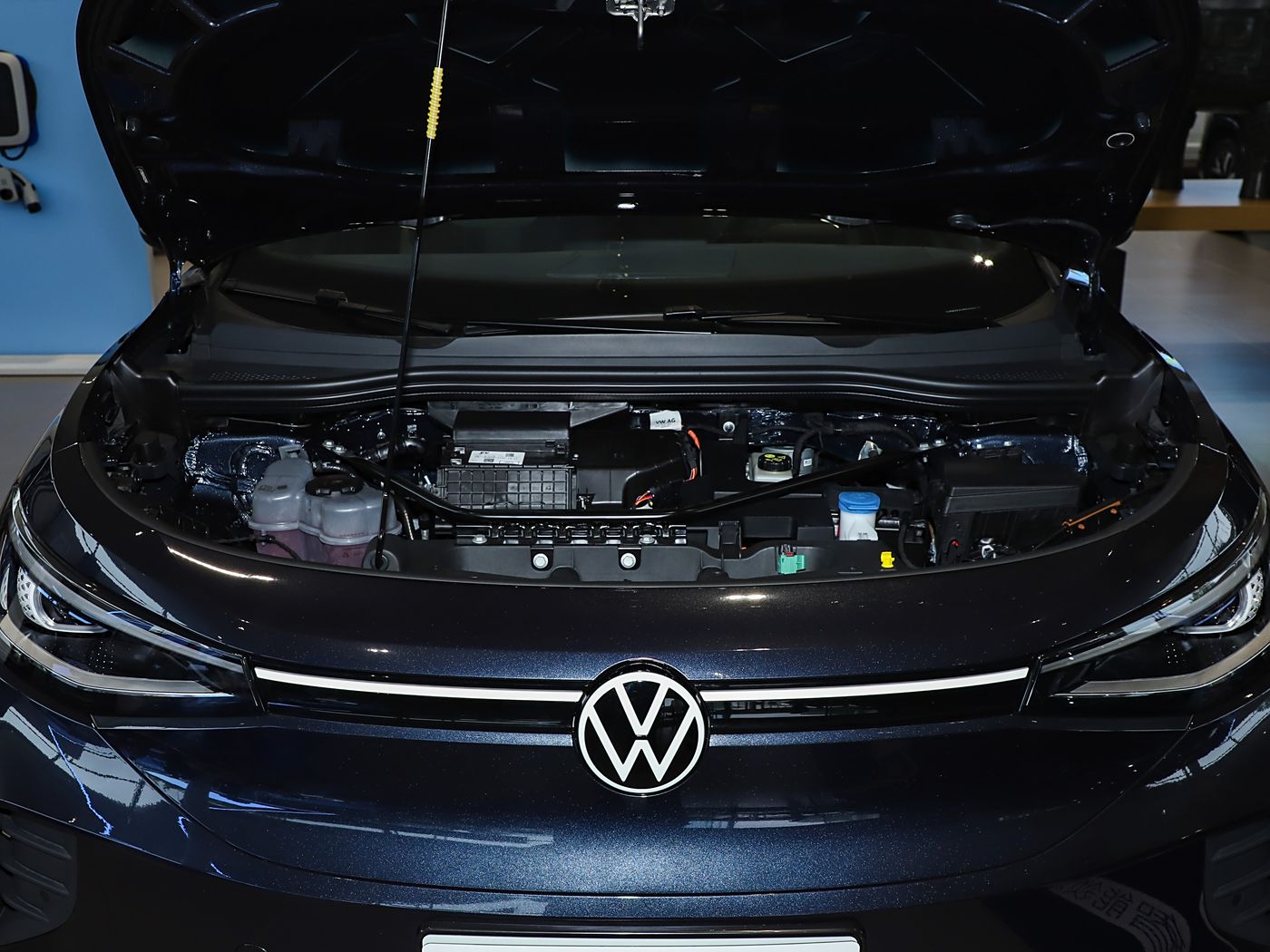
Equally important is its conservative regenerative braking strategy. In D mode, the ID.4 CROZZ delivers a negative torque of 4.5 N·m, similar to that of a gasoline vehicle, preventing sudden deceleration shocks. In B mode, the deceleration force is a gentle 0.25 g, avoiding harsh braking sensations and further lowering the likelihood of motion sickness.
FAW-Volkswagen has also tailored the chassis calibration for varying driving environments. The ID.4 CROZZ features a MacPherson front suspension and a five-link independent rear suspension, paired with a high-performance anti-roll stabilizer bar that limits body roll to just 3.40°/g during cornering. This ensures better stability and makes occupants less prone to dizziness. Moreover, the model has undergone extensive durability and adaptation testing in extreme cold, humid heat, dry heat, high altitude, and dusty conditions to guarantee reliability.
Its power output deviation is controlled within ±5%, ensuring smooth acceleration with minimal vibration. Combined with high-quality components, a rigid body structure, supportive seating, and excellent vibration and noise control, the ID.4 CROZZ sets a high benchmark for "anti-motion-sickness performance."
In other words, if motion sickness has ever made you hesitate to choose a pure-electric SUV, the ID.4 CROZZ is designed to change your perspective. Its ability to keep passengers comfortable and free from nausea is a standout advantage—one that many competitors will find hard to replicate.
Dynamic Design and Smarter Features
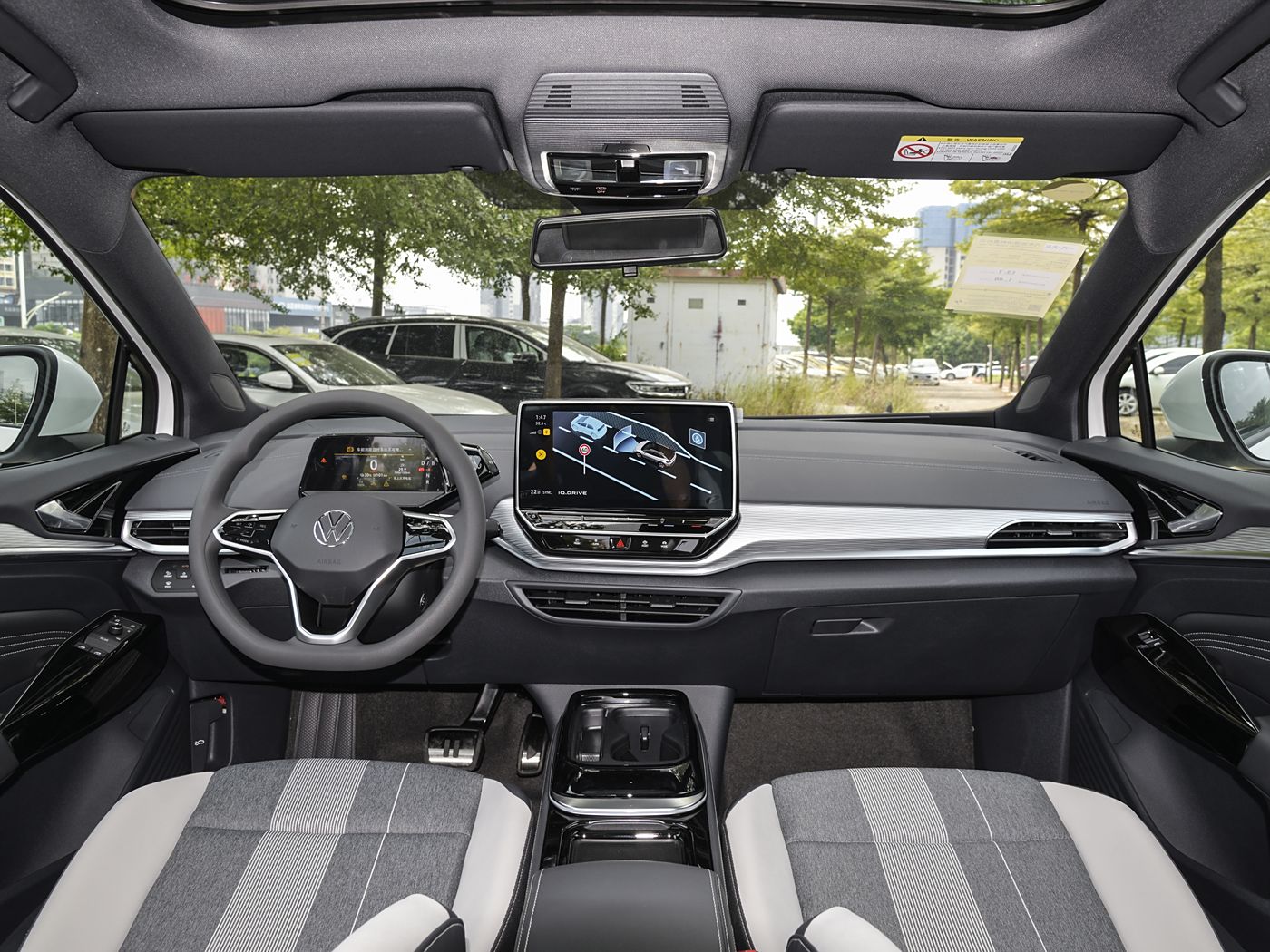
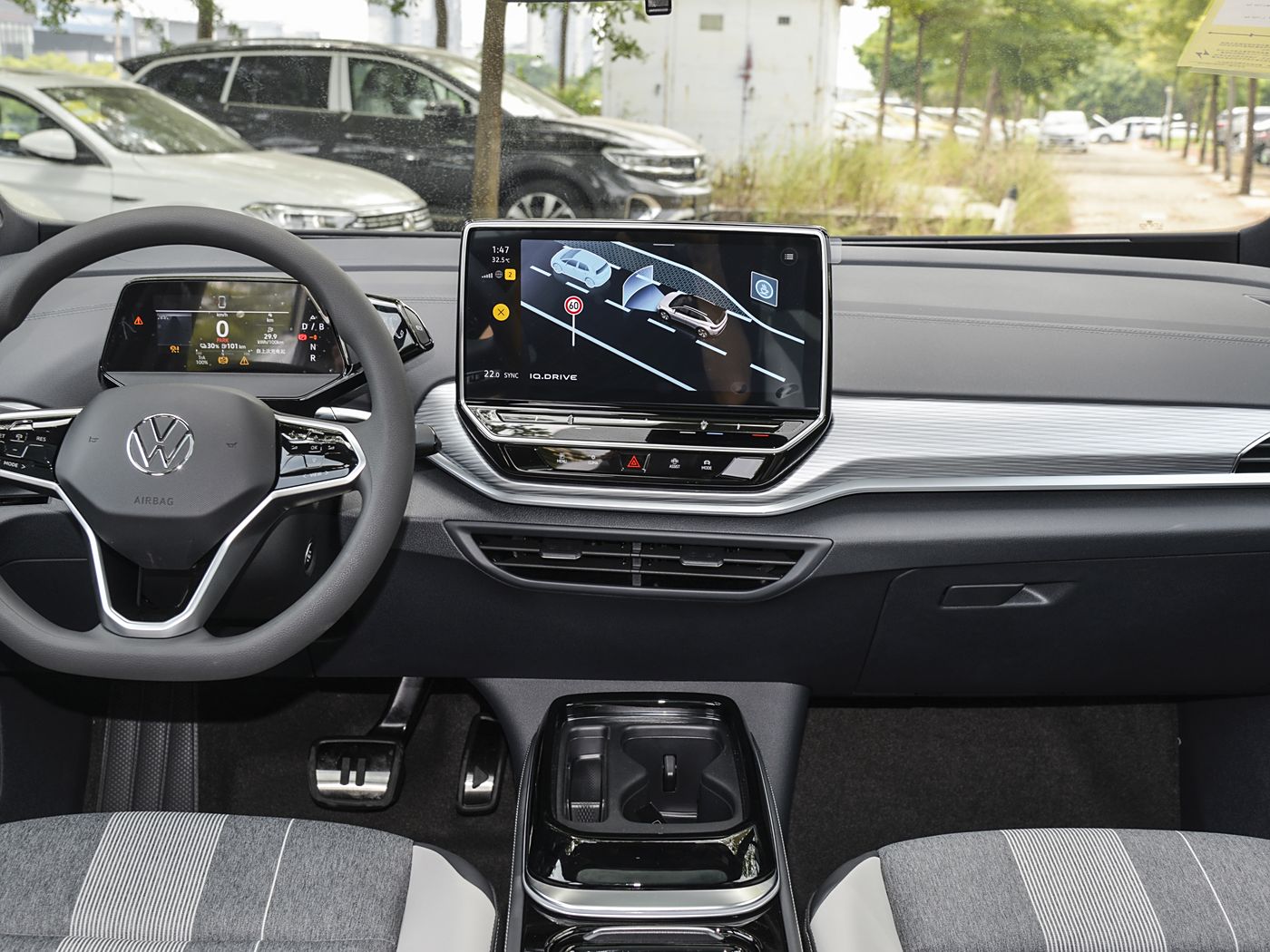
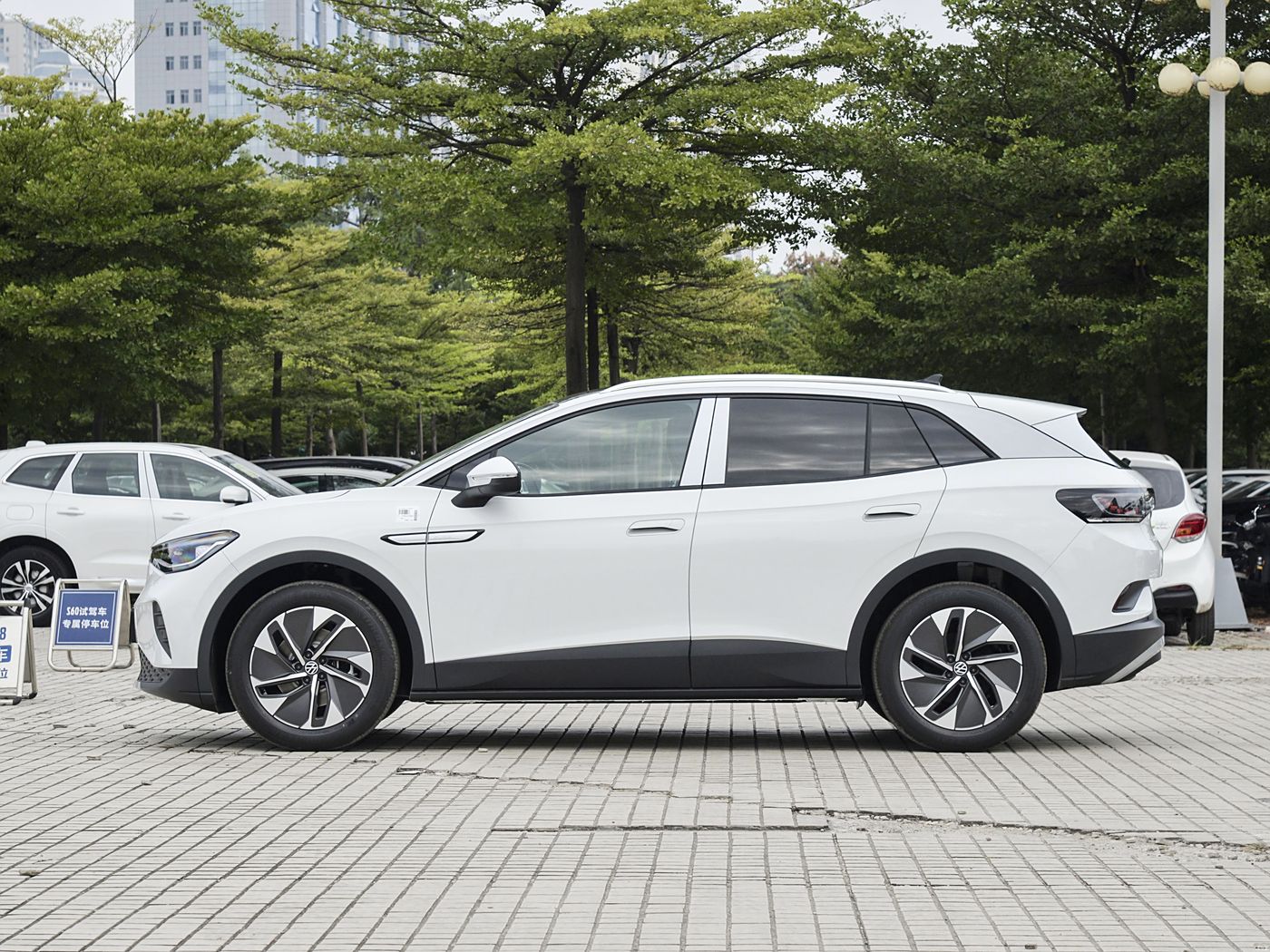
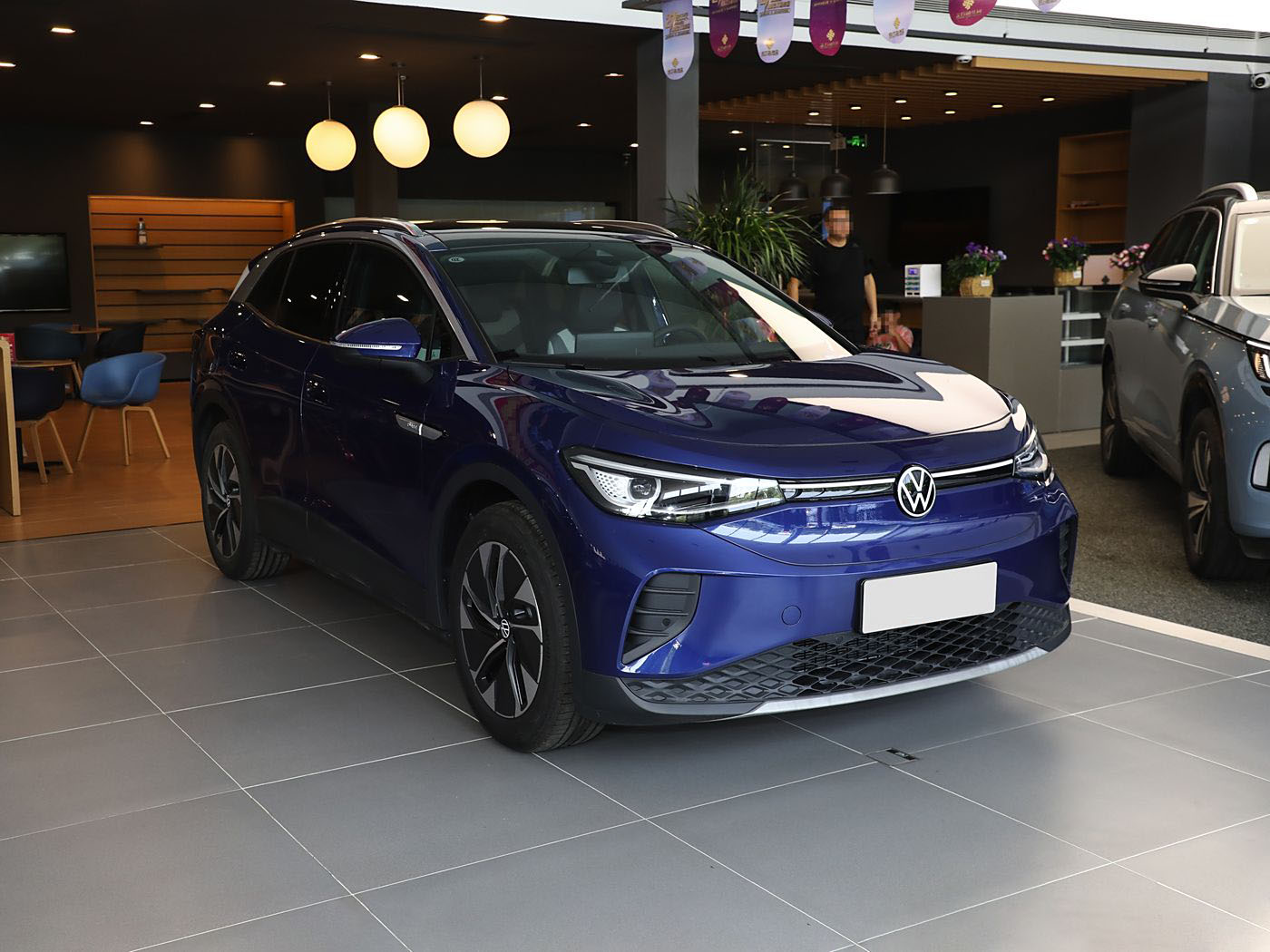
Beyond its anti–motion sickness capability, the FAW-Volkswagen ID.4 CROZZ also excels in overall product strength. Its exterior adopts a Dynamic Rhythm Design, enhancing the sense of ceremony every time you hit the road. The front end features IQ.Light advanced LED Matrix headlights, supporting multiple interactive lighting functions, including "coming-home" visual interactions. Inside, the cabin has been fully upgraded with an all-touch control layout for a more intuitive and modern user experience.
In terms of space, the ID.4 CROZZ is built on the latest MEB pure-electric platform, giving it a much higher space efficiency than "ICE-to-EV conversions," along with a completely flat rear floor. The seats are engineered for both comfort and proper support: the cushion damping rate is 18%, while the backrest ranges from 20–25%, delivering an ideal rebound feel. The seat-side bolsters use foam that is twice as firm as the cushion, and the backrest is three times firmer—offering stronger lateral support and effectively helping reduce motion sickness during long journeys.
Overall, the ID.4 CROZZ adopts a much smarter and more refined design approach, breaking away from the traditional image often associated with Volkswagen's gasoline models.
Advanced Safety for Greater Peace of Mind
When it comes to safety and build quality, the FAW-Volkswagen ID.4 CROZZ continues to impress. More than 28% of its body structure uses hot-formed steel and ultra-high-strength steel, while the body torsional rigidity reaches 40,000+ N·m/deg. This not only enhances stability during cornering and on rough roads, but also helps reduce motion-sickness symptoms. The entire lineup comes standard with six airbags, including full-length head curtain airbags and a large 140L passenger airbag, whereas some domestic competitors only offer similar configurations on mid- to high-trim models.
On the active-safety front, the ID.4 CROZZ is equipped with an L2+ driver-assistance system, which includes Front Assist autonomous emergency braking, Side Assist lane-change assist, Emergency Assist, lane-centering control, traffic sign recognition, and full-speed adaptive cruise control operating from 0–160 km/h—putting it ahead in intelligent safety performance.
In terms of quality, the ID.4 CROZZ follows strict German manufacturing standards. All high-corrosion-risk areas undergo 100% galvanization, and the body paint provides excellent UV protection for long-term durability. By comparison, some competitors—such as the AITO M5—have previously faced issues like chassis rust and body paint bubbling.
Overall, the ID.4 CROZZ leads many domestic rivals in safety engineering, craftsmanship, and chassis tuning. Its unique anti-motion-sickness capability serves as a strong differentiator and is likely to attract an increasing number of new-energy vehicle buyers.
Differences Between the 2024 Volkswagen ID.4 CROZZ Pure and Pro: Features, Pricing, and Practicality
The 2024 Volkswagen ID.4 CROZZ comes in multiple configurations, with the Pure and Pro versions offering different levels of features, pricing, and practicality. Here's a clear breakdown of the key differences:
1. Pricing & Positioning
Pure Version:
Positioned as a lower-trim model, the Pure offers a more budget-friendly price, making it suitable for buyers who want reliable range and essential features without stretching their budget.
Pro Version:
Targeted at mid- to high-level buyers, the Pro costs more but offers significantly upgraded comfort, technology, and intelligent-driving features. It's ideal for users seeking a more premium EV experience.
2. Key Feature Differences
Tire Specifications
Pure: 235/55 R19 (front) + 255/50 R19 (rear)
Pro: 235/50 R20 (front) + 255/45 R20 (rear)
The Pro's larger wheels deliver a sportier appearance and potentially better grip and handling.
3. Lighting System
Pure: Standard LED headlights
Pro: Matrix LED headlights with adaptive high/low beams and dynamic turning functions, offering superior nighttime visibility
4.Driver Assistance
Pure: Travel Assist 2.0 with full-speed adaptive cruise control
Pro: Travel Assist 3.0 with added features such as interactive lane-change assist and memory parking, making daily driving more convenient
5.Comfort Features
Pure: Plastic steering wheel, leather or leather-fabric seats; no seat heating, ventilation, or massage
Pro: Heated leather steering wheel; front seats with heating, ventilation, massage, and electric memory functions; plus 30-color ambient lighting for a more premium interior feel
6.Additional Functional Features
Pure: No 360° panoramic camera or power-folding exterior mirrors
Pro: Standard 360° panoramic camera, power-folding mirrors with memory and auto-tilt for reversing, making it more practical for urban use
7. Range & Performance
Both versions use a single-motor setup and deliver the same performance:
Motor Power: 170 kW
Torque: 310 N·m
CLTC Range: 601 km
There is no difference in powertrain or range between the two trims.
8. Which One Should You Choose?
Choose the Pure version if you want the best value for money, need long range, and are satisfied with essential features.
Choose the Pro version if you prefer premium comfort, advanced lighting systems, and enhanced driver-assistance functions—provided you're willing to pay the higher price.



Chengyi — A trusted car exporter. Offer certified used cars, new vehicles, EVs, RHD models, with full customs clearance support and compliance with international standards
| CONTACT CHENGYI | |
| CUSTOMER SERVICE cy-liark@dfl.com.cn |
 | CUSTOMER WHATSAPP +86 199 2835 5132 |
